
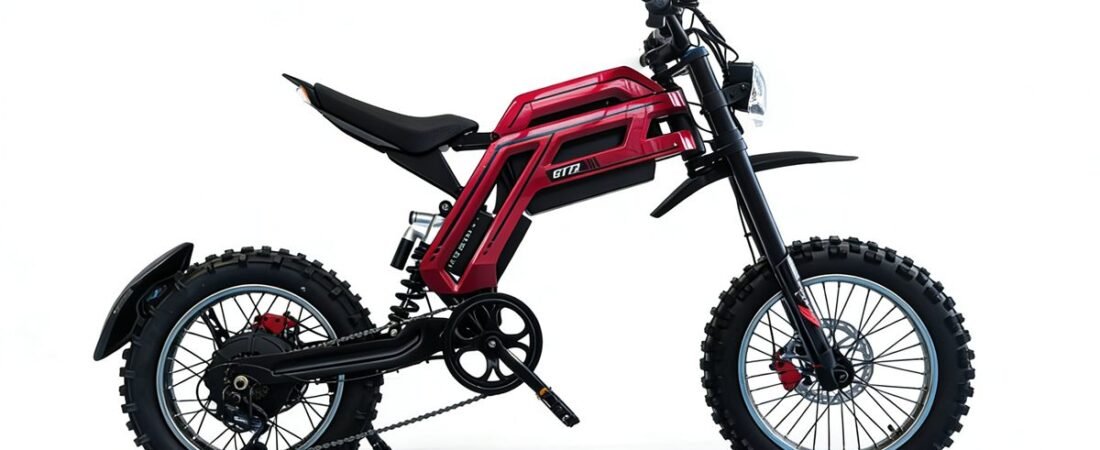
Electric delivery bikes: the fleet maths nobody writes down
Courier fleets switch to electric two-wheelers to cut fuel, parking and downtime — but the units that actually save money are chosen on total cost of ownership over three years, not sticker price or top speed. Here is the checklist for fleet managers and two-wheel dealers entering electric cargo and delivery bikes.
1. Define the duty cycle before the spec sheet
A 60 km/day urban courier needs different engineering than a 150 km intercity rider. Daily kilometres, payload (top box + rider + cargo), stop-start density and charge access at base decide battery kWh, motor rating and whether you want swappable packs. Measure a real week before ordering. The commercial range exists because these duty cycles split into distinct product families.
2. Battery strategy: charge-on-rack vs swap-at-station
Swap-style systems keep riders moving in minutes and extend pack life (managed charging), but require cabinets, spare packs (usually +1.5 packs per bike) and a standardised connector. Fixed-pack bikes are cheaper and simpler for single-depot operations with overnight charging. Decide which failure mode you can tolerate: downtime or infrastructure cost.
3. Certification and registration per market
High-speed e-moto class vehicles (above 250 W / 25 km/h thresholds) are type-approval products in most jurisdictions — L-category registration, insurance and rider licensing may apply. Cargo configurations add load-rating and brake requirements. Ask your supplier for the exact certification file per model: CE, FCC, UL for the units, UN38.3 + MSDS for shipping spare packs. Rmg Bike documents this per model on the buyer FAQ.
4. Serviceability is a fleet feature
Fleet downtime is the real cost. Insist on: standard tooling across the model line, modular controllers and displays, documented wear-part intervals, and a spare kit sized to your fleet (typical: 5-8% of unit value on the first order). Ask for repair videos per model before the first container sails.
5. Range claims: discount them by a third
Manufacturer range is measured at low assist, flat ground, light rider. For planning, take 60-70% of the claimed number in stop-start urban use with payload and weather. Then add margin for battery aging.
6. Pilot before scale
Order 3-5 units for a one-month paid pilot with real riders. Track kilometres, charge sessions, incidents and rider feedback. Then size the rollout. From 50 pcs, mixed-container ordering makes a structured pilot and rollout cheap to execute. OEM/ODM options (fleet colour, branding, top-box fitment, telematics mount) start at the same MOQ via the OEM/ODM program.
What a good first order looks like
Take the GT73 e-moto: a high-torque delivery-class platform for courier fleets. A sound pilot order is 3-5 units plus one spare controller/display kit, evaluated over a month before scaling to a mixed container of 50 pcs across e-moto and commercial fleet lines.
Your next step
Send your duty-cycle numbers (km/day, payload, charge access, target countries) to the inquiry desk. Within 24h you will get a recommended fleet configuration, spare-parts sizing and landed-cost options (FOB/CIF/DDP) with the certification file per model.