
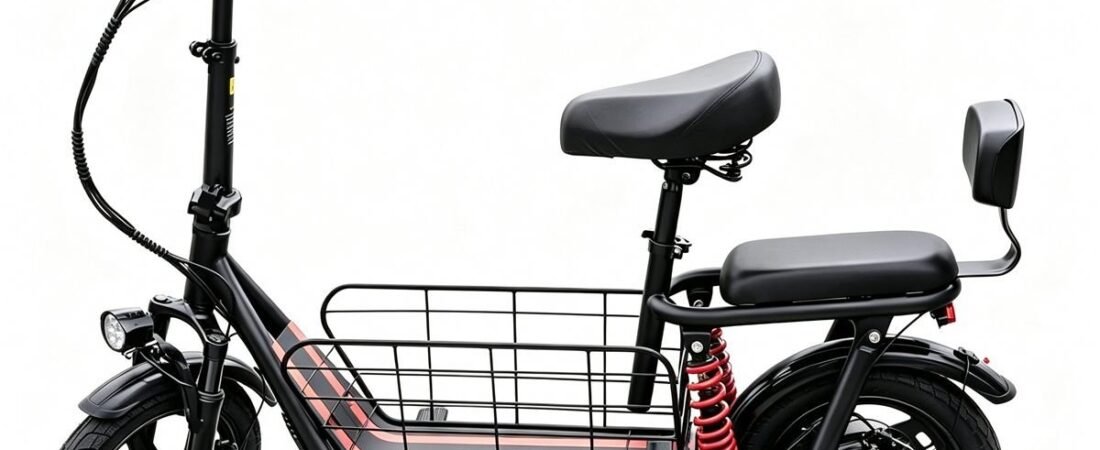
Container-scale orders reward operators who plan the whole lifecycle at signing, not the shelf. Five checkpoints.
1. Spec lock with variants
Pin the market configuration (per our limiter guide), colourway, plug and documentation language in writing — “same as last time” is not a specification.
2. The spares ratio
- Consumables first: tyres, tubes, brake pads, chargers and display covers.
- Then electronics: controllers and modules in proportion to fleet size; the cheapest fleet failure is the one fixed from your own shelf.
3. Batch intelligence
Ship serial ranges to a register at receiving. Battery and controller batches share lifetimes; knowing which units carry which batch turns a warranty event into targeted preventive work.
4. Landing logistics
Battery-class cargo moves on regulated lanes — plan the slower schedule honestly, and inspect cartons before unpacking (the receiving discipline in the RMG Knowledge Base applies to fleets the same as single bikes). Lithium battery cargo in particular follows the maritime dangerous-goods code maintained by the International Maritime Organization; quote yourself the compliant lane, not the optimistic one.
5. Mixed containers
Multi-model programmes smooth demand; our OEM/ODM desk structures tiered mixes — scooters, kids rides and fleet e-bikes — so one consignment covers several markets.