
The battery decides the freight, not the bicycle
Ask any freight forwarder what makes e-mobility shipments hard: it is never the frame, the tyres or the motor. It is the lithium-ion pack. Misdeclared or missing battery paperwork is the single most common reason e-bike and ride-on containers get held, repriced as dangerous goods, or refused by carriers outright. This guide covers the exact document set a clean shipment needs.
UN38.3: the test summary you must receive, not just be promised
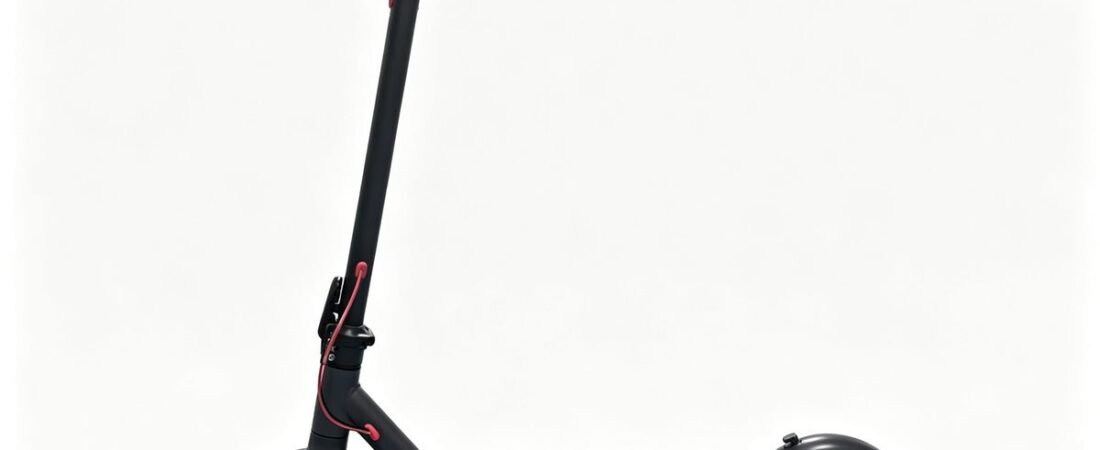
Every lithium pack transported by air or sea needs a passing UN38.3 test — eight environmental and abuse tests on the cell and pack construction. Since 2020 the carrier-facing artefact is the UN38.3 Test Summary, and it names a specific cell/pack model. “Our batteries are UN38.3” is a claim; the Test Summary document is proof. Request the summary that matches the pack inside your ordered units — same capacity, same supplier, same model designation. On Rmg Bike’s line, battery documentation travels per model; the 8.5-inch e-scooter listing is one example shipped with full UN38.3 paperwork.
MSDS/SDS: the 16 sections that must line up
The Material Safety Data Sheet describes the chemistry, hazards and first-aid handling of the pack. Forwarders cross-check it against the UN38.3 summary: same model name, same cell supplier, same watt-hours. Mismatched names between documents — pack A on the invoice, pack B in the MSDS — is how a booking gets rejected. Collect both documents before you book, not at the port.
Classification, labels and packing instructions
Most e-bike and scooter shipments fall under UN3481 — lithium-ion batteries contained in equipment or packed with equipment — as Class 9 dangerous goods. That drives three physical requirements: Class 9 labels on every carton, the correct packing instruction (PI966 when packed with the vehicle, PI967 inside it), and state-of-charge limits — 30% is the hard rule for air and the prudent baseline for ocean too. Kids ride-ons with their 24V packs follow the same route; being a toy does not exempt the battery.
The paperwork pack for one clean container
Per shipment, customs and carriers together expect: commercial invoice (with battery Wh and UN number stated), packing list matching carton labels, bill of lading with correct DG description, certificate of origin, the market conformity file (CE/EN15194 for EU e-bikes, FCC, CPC for US kids lines), UN38.3 Test Summary and MSDS per pack model. One consistent set of model designations across all seven documents — consistency, not volume, is what clears.
LCL or FCL — how the mix decision actually works
Under roughly 20 m³ of product, LCL (shared container) with DG-qualified consolidation is normal; Rmg Bike’s 50-piece mixed-container program is built for exactly this stage. Above that, a 20ft or 40ft HQ you control end-to-end is cheaper per unit and removes the risk of your DG cartons being consolidated against another shipper’s sloppy paperwork. Get units-per-container from your supplier’s packed carton maths, not the marketing render.
Air, sea or rail: the battery reality
Air accepts lithium shipments but at high DG rates with the 30% SoC rule and tight label audits — it is for samples and urgent spare packs, not containers. Ocean is the default for anything selling at retail economics. Rail (China–Europe) sits between them and accepts Class 9 on published routings. Whatever the mode, book with forwarders experienced in lithium — the same bill of lading reads very differently to a DG-cargo clerk than to a generalist.
Kids products draw a second inspection layer
Customs treats children’s items with extra care: a ride-on container can be stopped for toy-safety document checks and battery DG checks independently. EN71/CPC files naming the exact model, warnings printed on the carton, and age grading consistent across invoice and packaging are prerequisites. The two compliance stacks must describe the same product in the same words.
Who is the importer of record — and why hazmat makes it matter
FOB puts your broker in the driver’s seat for the DG declaration at destination; DDP hands that to the supplier’s forwarder. Neither is universally better, but for Class 9 cargo the wrong choice means you discover at import who actually controlled the paperwork. If your customs history with lithium is thin, ask for a landed-cost comparison of FOB vs DDP (both offered — see the buyer FAQ) before choosing, and confirm who files the dangerous-goods entry at each end.
Your next step
When you request a quotation through the bulk inquiry desk, ask for the “document pack” line explicitly: UN38.3 Test Summary, MSDS, Class 9 carton marking photos and packing instruction reference, per model. Any shipment that can produce this pack before booking will produce it at the port too.