
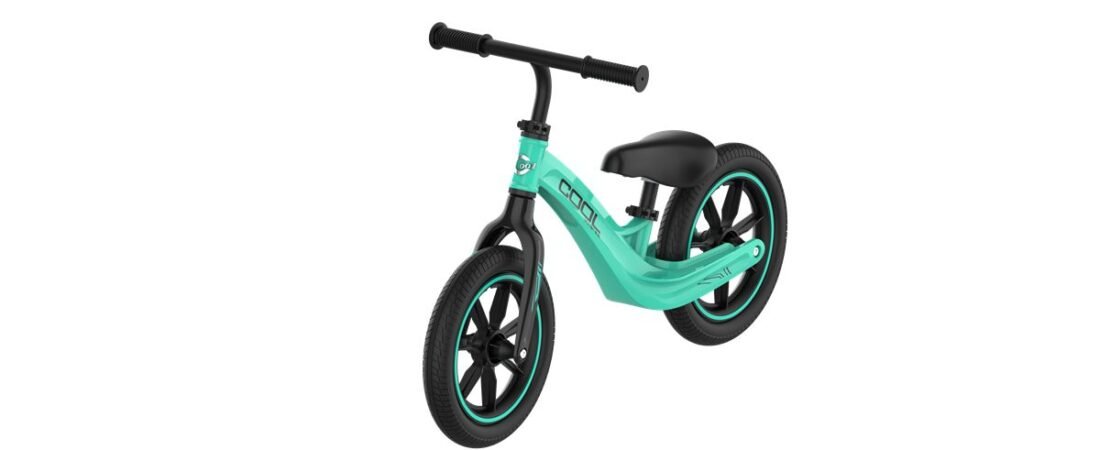
For decades the “normal” way to learn a bike was training wheels. A generation of balance bikes has quietly changed that advice. Here is why, and how to choose one.
The core idea: steering and balance are the hard part
Pedalling is easy to learn once you can already balance. Training wheels, paradoxically, prevent a child from learning to lean into a turn — the single most important skill — because the bike never tips. A balance bike removes the pedal and the stabilisers and teaches the real skill first.
What to look for in a first balance bike
- Saddle-to-ground height slightly below the child’s inseam, so flat feet reach the floor.
- Light frame a small child can pick up after a tip without fear.
- Steering limiter to stop the bars swinging into a crash at low speed.
- Foldable or compact for car boots and tight flats.
The A13 Kids Balance Bike is a dedicated first-ride design, while the A04 Folding Balance Bike adds a fold for storage and travel — see the full kids range.
The typical transition
- Balance bike first, ages ~2–4, gliding and coasting.
- Introduce pedals only once the child can glide one-footed for a slow count of three.
- A convertible 3-in-1 like the A12 Peanut Ride-On can carry a younger child through the balance stage before pedal or scooter modes.
Parents and childcare resellers asking about age-banded product programs or private-label colours can reach our inquiry desk.