
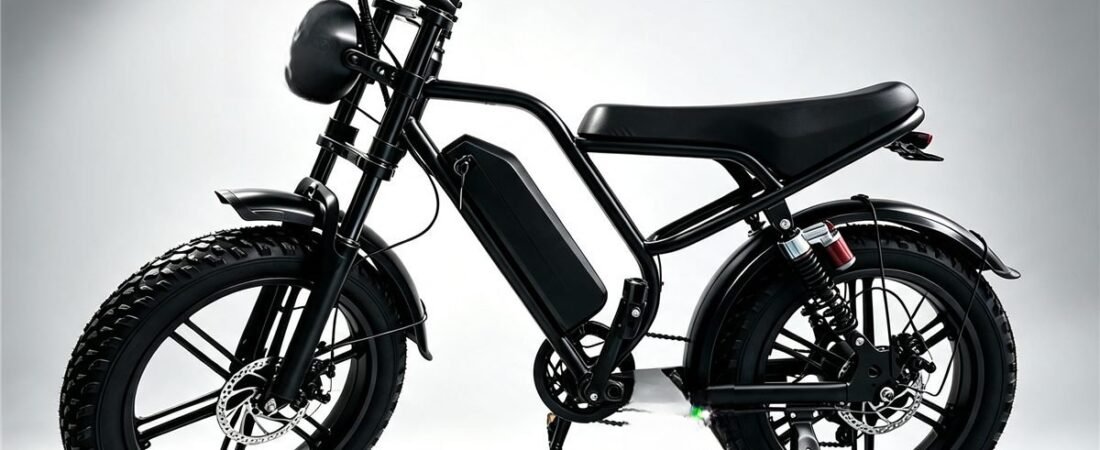
Brakes speak in three symptoms. Match the symptom to the system and most fixes become a ten-minute job.
Spongy lever — cable stretch and pad seating
- New pads and cables settle; take up slack at the barrel adjuster and confirm the lever stops firmly before mid-travel.
- If the lever still bottoms, check pad wear and rotor condition before assuming hydraulic trouble.
Dragging — alignment, not damage
A rub that appeared after transport or an impact usually means a bent rotor or shifted caliper, both rider-correctable: loosen, squeeze the lever, re-tighten aligns most floating calipers; a gentle rotor straighten fixes mild warp.
Grabby — surface contamination
- Oil from hands or chain lube transfers to pads and rotors; degrease the rotor, and when in doubt, replace pads — contaminated pads rarely recover fully.
- Electric (motor cutoff) brakes assist but never replace friction brakes; if stopping distance grows, the friction system is the question, not the assist.
Monthly two-minute check
- Lever feel at rest and full squeeze on both wheels.
- Pad thickness and rotor surface with a light.
- Quick test stop from walking pace, listening for changes.
Kids-ride brake types and limits are documented per model on every product page, e.g. the A09; the braking curriculum continues in our brake-systems explainer, and post-wash brake checks pair with the water rules guide in the RMG Knowledge Base.