
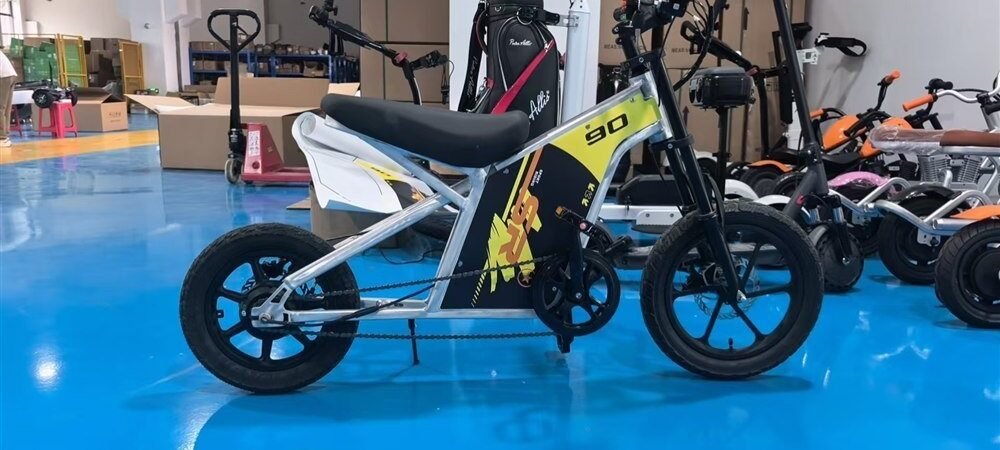
The same platform can legally behave differently in two countries, and that is deliberate. Understanding the limiter protects riders from fines and importers from dead stock.
What the limiter actually does
- Cuts motor assist above a market-defined speed, while leaving the bicycle rideable as a bicycle.
- Pairs with throttle/assist-mode logic — some markets allow twist-and-go, others require pedalling before assist.
Why the differences are not marketing
Regions classify electric rides by speed, power and control style, and the classification decides access, age rules and import duties — the EU’s bicycle and assisted-cycle framework, maintained under European Commission transport regulation, is the clearest worked example of how one type-approval definition governs a whole market. A machine configured for one market may be illegal in another — which is why orders are variant-specific.
For importers and distributors
- Confirm your market’s class definitions before choosing SKUs, not after.
- Require the variant in the spec lock: assist cutoff speed, control mode, and documentation set — this is standard work in our OEM/ODM program.
- Keep labels and manuals consistent with the declared class; mismatched paperwork is the usual customs hold.
Model-level limits and settings are documented per product (e.g. the Q40 delivery e-bike), and the compliance primer continues in the RMG Knowledge Base and buyer FAQ.