
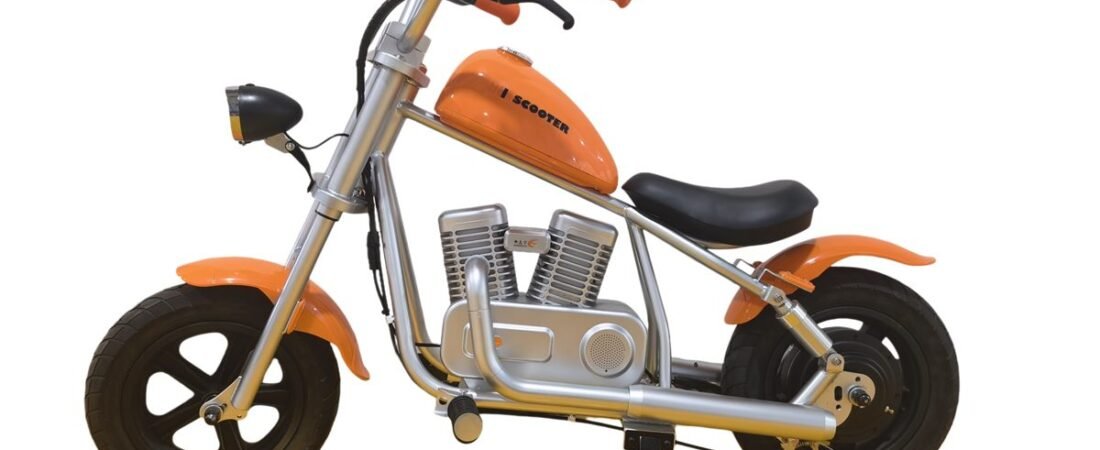
Kids electric ride-ons: the fastest-growing toy aisle that is not treated like a toy
Battery-powered kids ride-ons — from 12 V cars for toddlers to 24 V twin-motor machines — now out-margin most plastic toys and sell through gift seasons and spring outdoor seasons. But they are lithium-and-lead-acid battery products carried by children, so the compliance stack and the retail support stack are heavier than a typical toy SKU. Here is how specialty retailers, garden centres and department buyers should build the category.
1. Certification is non-negotiable and jurisdiction-specific
In the EU, a powered toy needs EN71 (mechanical/chemical/flammability) plus CE marking and REACH chemical compliance; lithium-battery models add UN38.3 for transport. The US line runs through CPC (Children’s Product Certificate) with CPSIA lead/phthalate testing and ASTM F963. A supplier that offers “CE” as a universal answer has not tested your market’s actual list. Rmg Bike publishes the exact certificate set per model in the buyer FAQ, and the full kids range carries CE / EN71 / CPC / UN38.3.
2. Choose a three-tier range, not one hero SKU
Successful shelves cover three price bands: entry (single motor, ~$100-150 retail), mid (twin motor, parent remote, leather seat) and halo (licensed-look 24 V off-road with suspension). The mid tier moves volume at gift season; the halo tier anchors the display and sells spring weekends. Browse the 19-model ride-on range — the Y-series and A-series split across exactly these three bands.
3. Battery chemistry decides your returns rate
Lead-acid is cheap and heavy with a short cycle life; lithium is lighter, faster-charging and roughly triples usable life. For rental fleets and repeat-buying retailers, lithium models quietly return less. Ask for real capacity (Ah), charger certification plug type, and a cut-off sensor — a flat battery left over winter kills lead-acid cells.
4. Safety features that reduce incidents — and chargebacks
Parent remote kill-switch, slow-start ramps, seatbelt, speed limiter and anti-pinch body gaps are now table stakes. Confirm each exists physically (not just “optional”) on the spec sheet, and photograph them for your shelf cards. Remote-control range and 2.4 GHz coexistence matter in a toy aisle full of radios.
5. Seasonality and lead time planning
Gift-season orders should ship from the factory by mid-summer; spring-season restock by November. Sea freight for battery products has specific declaration requirements — ask your supplier for the MSDS + UN38.3 package early. Sample units ship in about 7 days so you can validate build quality before committing a mixed container from 50 pcs.
6. After-sale kit = your margin insurance
Ask for a spare-part pack (motors, controllers, chargers, wheels, body clips) with the first order and clear repair videos per model. A retailer that can fix a ride-on in-store never writes off a return.
What good looks like: the Y-008 pattern
A twin-motor 12 V car with parent remote, slow start, LED lights and a moulded seat — the archetype mid-tier SKU — consistently carries the volume between entry models and halo off-road machines. See the Y-008 product page for a full spec sheet example, then compare the range on the kids catalogue.
Your next step
Send your market and target retail price points to the inquiry desk. Within 24h you will get a recommended tier mix, landed-cost options (FOB/CIF/DDP) and the certificate list per model.